Salt & Wind Tolerant Plants for Hawaiʻi
A Comprehensive Guide (with ready-to-plant palettes)
Living ocean-side or on Hawaiʻi’s breezy ridgelines means sun, salt spray, and steady trades. The right plants don’t just survive—they thrive and hold your landscape together. Here’s a comprehensive, Hawaiʻi-focused list plus practical design tips and mix-and-match planting palettes you can take straight to the garden.
How to Think About Coastal & Windy Sites
- Zone your planting:
Frontline (salt blast) by walls/shore; Mid-zone with filtered spray; Back-zone protected by the first two layers. - Build a living windbreak: Staggered rows (not a single tight hedge) slow wind and reduce burn.
- Soil & water: Blend compost into sandy soils, mulch well, and use deep, infrequent watering once established.
- Maintenance: Choose plants that accept tip-pruning to stay dense and salt-rinse foliage with fresh water in extreme events.
Native & Polynesian-Introduced All-Stars
Shrubs & Groundcovers
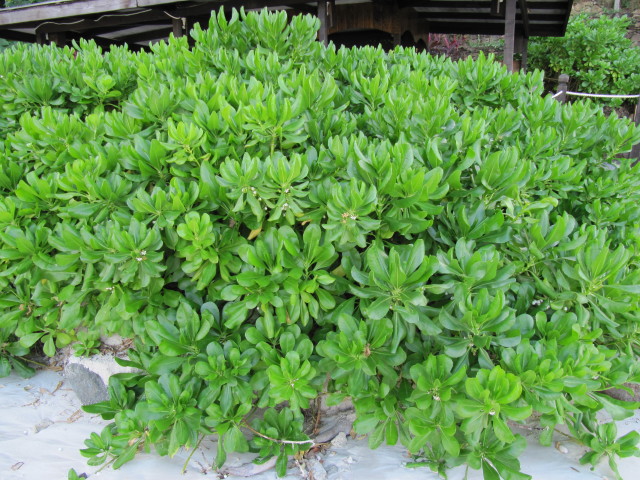
- Naupaka kahakai (Scaevola taccada) – iconic beach binder; excellent frontline hedge/groundcover
- Pōhinahina (Vitex rotundifolia) – silver foliage, fragrant leaves; great dune stabilizer
- ʻAkulikuli (Sesuvium portulacastrum) – succulent mat; superb for the harshest spray
- Pohuehue / Beach Morning Glory (Ipomoea pes-caprae) – fast groundcover for sand binding
- Hinahina kū kahakai (Heliotropium anomalum var. argenteum) – silvery mounds; sun and spray tolerant
- ʻAʻaliʻi (Dodonaea viscosa) – tough windbreak shrub; coastal forms do well
Small Trees & Large Shrubs
- Hau (Hibiscus tiliaceus) – flexible branches; excellent living windbreak & privacy screen
- Milo (Thespesia populnea) – glossy leaves, cup-shaped flowers; coastal classic
- Kou (Cordia subcordata) – orange blossoms; handles salt well
- Hala / Pandanus (Pandanus tectorius) – sculptural, deeply salt/wind tolerant
- Kamani (Calophyllum inophyllum) – handsome seaside shade tree (ample space required)
Grasses / Lawn Alternatives
- ʻAkiʻaki (Sporobolus virginicus) – native coastal turf/erosion control
- Seashore paspalum (Paspalum vaginatum) – salt-tolerant lawn in sunny coastal sites
- Manilagrass (Zoysia matrella) – moderate salt tolerance; tight, tidy turf
Reliable Non-Native Performers for Coastal Gardens
Shrubs, Hedges & Color
- Bougainvillea (var. cultivars) – thrives in wind, low water once established
- Natal Plum (Carissa macrocarpa) – tough, glossy hedge; fragrant white blooms; thorny (great for security)
- Mock Orange (Pittosporum tobira) – classic salt-tolerant hedge
- Plumbago (Plumbago auriculata) – powder-blue blooms, takes wind and heat
- Oleander (Nerium oleander) – very salt/wind tolerant; toxic—avoid where pets/kids chew plants
- Tecoma stans (Yellow Bells) – sunny flowers, wind tolerant mid-zone
Trees & Palms
- Coconut Palm (Cocos nucifera) – the ultimate coastal palm
- Tropical Almond (Terminalia catappa) – broad shade canopy; good near shore
- Sea Grape (Coccoloba uvifera) – excellent wind and salt tolerance (space generously)
Succulents & Accents
- Agave spp. – architectural, drought & spray tolerant (give space)
- Aloe spp. – sun, wind, and salt friendly with seasonal flowers
- Yucca spp. – sculptural verticals for modern coastal designs
- Portulaca spp. – cheerful, super-tough groundcover for hot spots
Note on invasives: Some fast coastal groundcovers (e.g., beach sunflower Sphagneticola trilobata, ice plant Carpobrotus spp.) can be invasive in Hawaiʻi—Sharon’s Plants can suggest safer look-alikes.
By Planting Role
Frontline (highest salt + wind)
- Naupaka kahakai (Scaevola taccada)
- Pōhinahina (Vitex rotundifolia)
- ʻAkulikuli (Sesuvium portulacastrum)
- Pohuehue (Ipomoea pes-caprae)
- Hinahina (Heliotropium anomalum)
- Hala (Pandanus tectorius)
- Coconut palm (Cocos nucifera)
Mid-Zone (filtered spray, strong wind)
- Hau (Hibiscus tiliaceus)
- ʻAʻaliʻi (Dodonaea viscosa)
- Milo (Thespesia populnea), Kou (Cordia subcordata), Kamani (Calophyllum inophyllum)
- Bougainvillea, Natal Plum, Mock Orange, Plumbago
- Agave, Aloe, Yucca
Back-Zone (protected; decorative)
- Plumeria (Plumeria rubra) – handles wind and some salt; flowers love heat
- Ti (Cordyline fruticosa) – best behind a wind/salt buffer
- Hibiscus hybrids – for color once sheltered
- Ornamental grasses and specimen succulents
Ready-to-Plant Palettes
1) Classic Beachfront Buffer (Low & Layered)
- Frontline: Naupaka kahakai masses with ribbons of ʻAkulikuli
- Mid: Pōhinahina drifts + 3–5 Hala as sculptural anchors
- Back: Kou and Milo for shade; understory of Aloe
2) Colorful Coastal Cottage (Blooms + Butterflies)
- Frontline: Hinahina mounds + Pohuehue weaving through sand
- Mid: Bougainvillea standards (or trellised), Plumbago hedges
- Back: Plumeria feature tree; Portulaca for sunny pockets
3) Modern Drought-Smart Seaside
- Frontline: Pōhinahina + ʻAkikuliki checkerboard for texture
- Mid: Agave ‘Blue Glow’ groupings; Natal Plum clipped cubes
- Back: Sea Grape or Tropical Almond as airy shade; Aloe along paths
4) Windy Ridge Windbreak (Privacy + Sound Buffer)
- Frontline: Staggered Hau (tip-prune to thicken)
- Mid: ʻAʻaliʻi hedge with Pōhinahina at feet
- Back: Kamani or Kou every 20–25 ft; ground plane of Manilagrass or ʻAkiʻaki
Practical Tips for Success
- Spacing: Allow seaside shrubs room to widen (naupaka 4–6 ft centers). Crowding reduces airflow and invites salt burn.
- Pruning: Light, frequent tip-pruning keeps hedges dense and wind-firm; avoid hard shears right before strong tradewind weeks.
- Irrigation: Drip or low-angle emitters reduce leaf salt spotting; deep, occasional watering encourages strong roots.
- Mulch: Use local green waste compost + chip mulch to buffer salty soils and retain moisture.
- Fertilizer: Go light—coastal plants are adapted to lean conditions. Too much N = weak, leggy growth.
- Containers (lanai/balcony): Choose heavy pots (won’t tip), fast-draining mix, and the toughest species: Pōhinahina, ʻAkulikuli, Portulaca, Aloe, Agave, dwarf Bougainvillea.
Plants to Use With Caution Near the Shore
- Salt-sensitive bloomers like gardenia, hydrangea, many roses (do best in protected back-zones).
- Spiny/invasive species (ask us first) that spread into dunes or natural areas.
- Toxic around pets/kids: Oleander—only where it’s truly appropriate and informed.